

An industrial bagging machine helps you weigh, fill, and seal powders, granules, and mixed materials with less manual work. YUSHUNXIN offers semi-automatic, fully automatic, bulk bag, and cold patch asphalt packaging solutions. You can choose 10–60 kg small-bag configurations or larger bulk bag systems. Besides, our company can match feeding, weighing, bag handling, and sealing equipment to your material and production capacity.
What Materials Can Our Industrial Bagging Machines Handle?
Fertilizer manufacturers can pack organic fertilizer powder, NPK granules, and blended fertilizer into small bags or bulk bags. For an organic fertilizer production line, we can connect weighing and filling equipment after finished-product storage. For an NPK fertilizer production line, we can match the bagging equipment to your finished granules, packaging weight, and required output. A bulk blending fertilizer plant can also use suitable feeding equipment to limit unnecessary granule separation.
Feed and grain processors often package powders, pellets, premixes, and grain products. Gravity feeding suits many free-flowing materials, while belt or screw feeding helps handle less consistent material flow.





Chemical and mineral manufacturers need reliable weighing and suitable material-contact parts. For dusty powders, we can add enclosed filling points and dust extraction connections.
Building material producers package cement, dry mortar, lime, and other powdered products. Their packaging systems may require valve bags, suitable filling nozzles, and dedicated dust control.
Cold patch asphalt producers need a different feeding arrangement. The stone-asphalt mixture can stick inside ordinary equipment, so our dedicated machine uses U-shaped screw feeding.
How Can You Keep Bag Weights Accurate Without Slowing Production?
Filling speed matters, but excessive product giveaway can also increase your operating costs. YUSHUNXIN combines suitable feeding methods with weighing controls to balance output and filling accuracy.
Gravity, Belt and Screw Feeding
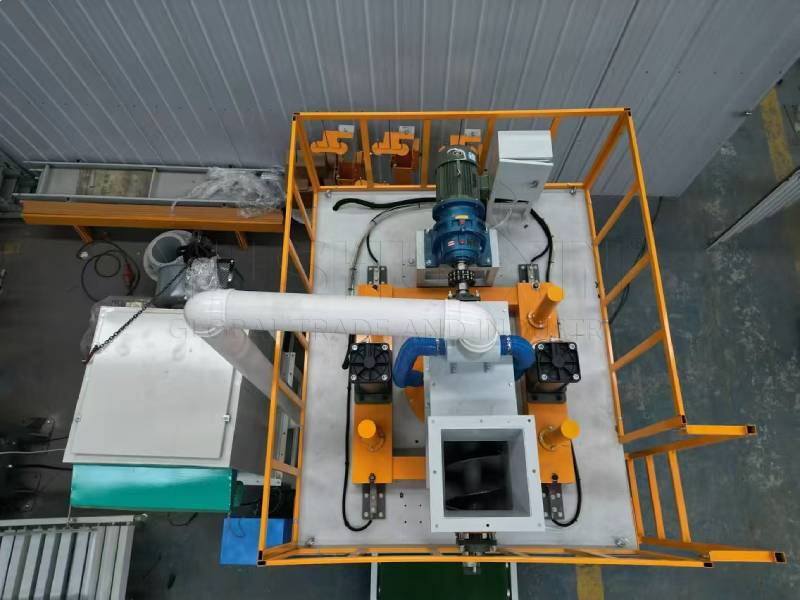
Free-flowing granules often work well with gravity feeding. Meanwhile, powders and less consistent materials may need belt or screw feeding. For cold patch asphalt, our U-shaped screw feeder moves the mixture from the storage hopper toward the weighing section. This helps maintain a steadier filling cycle with sticky or difficult materials. You can also choose different feeding arrangements for specific products instead of relying on one standard design.
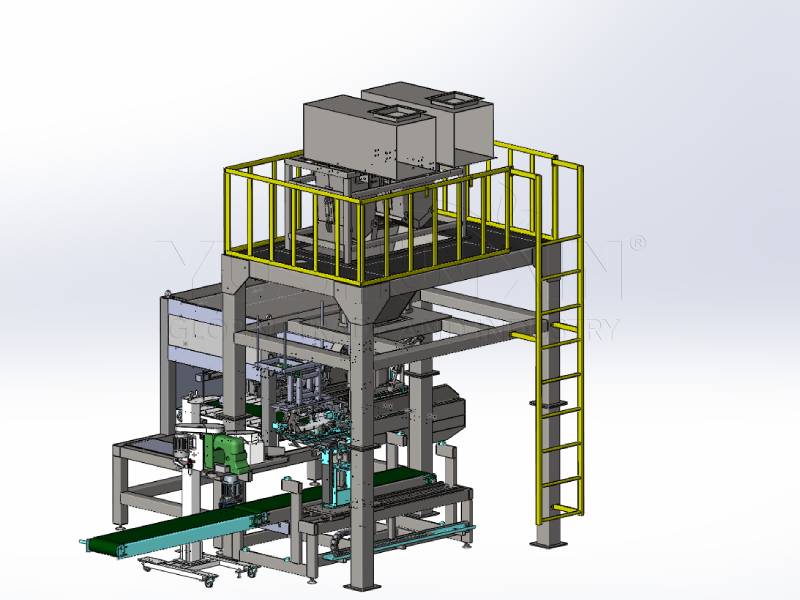

Fast and Fine Weighing

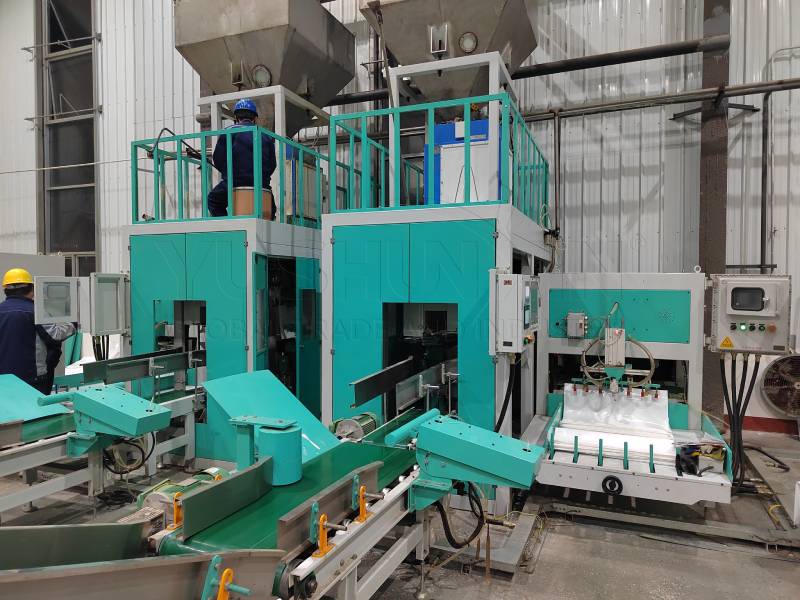

Our weighing systems can use faster feeding during the main filling stage. Then, the controller reduces the feed rate as the bag approaches its target weight. This approach helps limit overfilling without slowing the entire filling process. For example, our reference double-hopper machine offers approximately ±0.2% weighing accuracy under specified conditions. Our standard bulk bag configuration offers approximately 2–5‰ accuracy, depending on the selected equipment and material. You can also use automatic correction functions on suitable control systems to improve filling consistency.
How Many Bags Can You Fill Per Hour?
The required packaging speed determines whether you need one filling hopper, two hoppers, or automatic bag feeding.
| Bagging Configuration | Bag Weight | Reference Output |
|---|---|---|
| Single-Hopper Semi-Automatic | 10–50 kg | 180–240 bags/hour |
| Double-Hopper Semi-Automatic | 15–60 kg | 300–480 bags/hour |
| Automatic Bag Feeding, YTZB-300 | 25 kg reference | At least 300 bags/hour |
| Standard Bulk Bag Filling | 500–1500 kg | 20–40 bags/hour |
| Cold Patch Asphalt, Single Head | 10–50 kg | Around 240 bags/hour |
| Cold Patch Asphalt, Double Head | 10–50 kg | Around 400–480 bags/hour, depending on configuration |
These figures come from different equipment configurations. We confirm the final output against your material, bag type, and sealing requirements.
Single-Hopper vs Double-Hopper Bagging
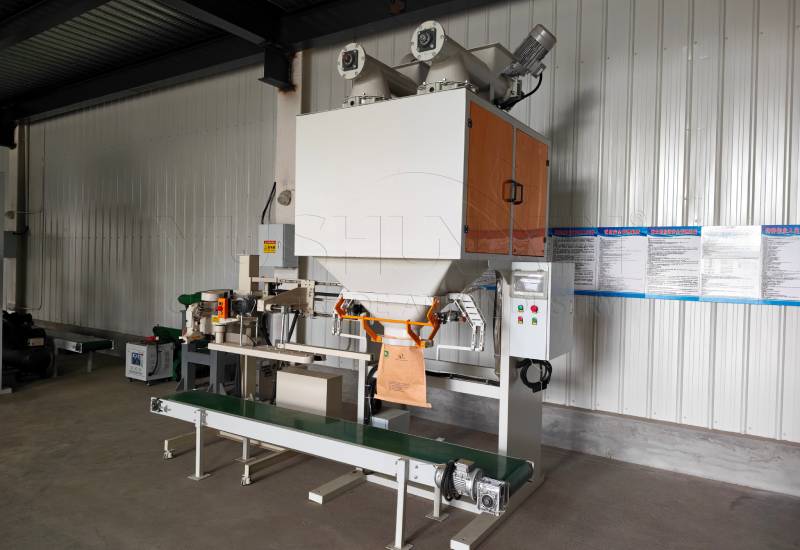
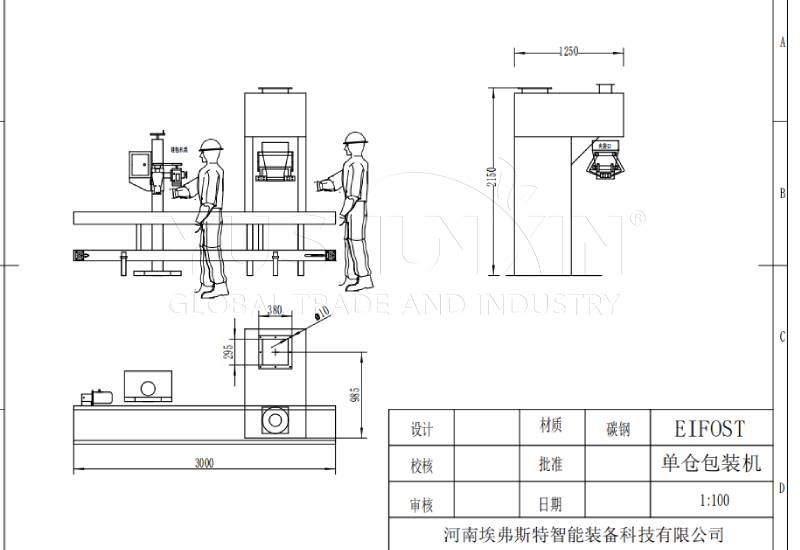
For moderate output, a single-hopper machine handles weighing and filling while an operator places empty bags. If you need faster filling, the double-hopper configuration increases capacity without requiring full automatic bag feeding. This suits production lines where manual bag placement can still keep up with the filling cycle.


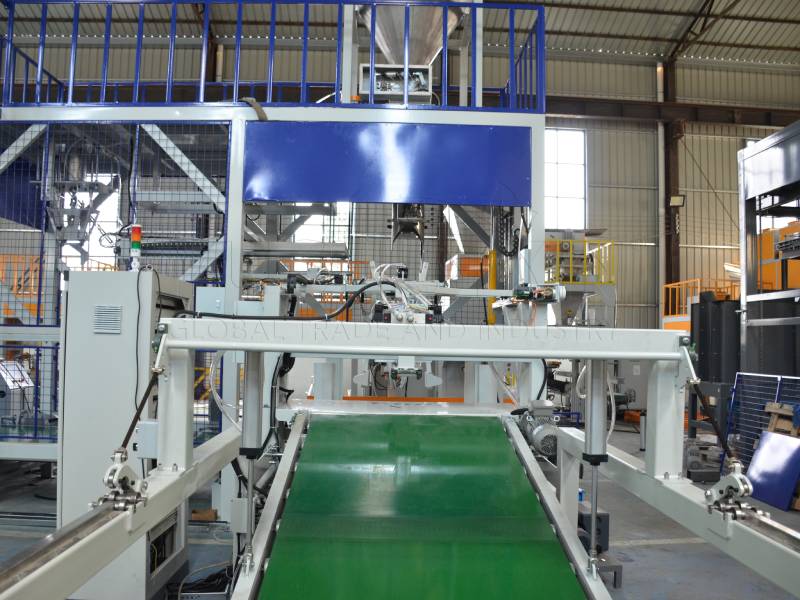
Fully Automatic Bag Feeding

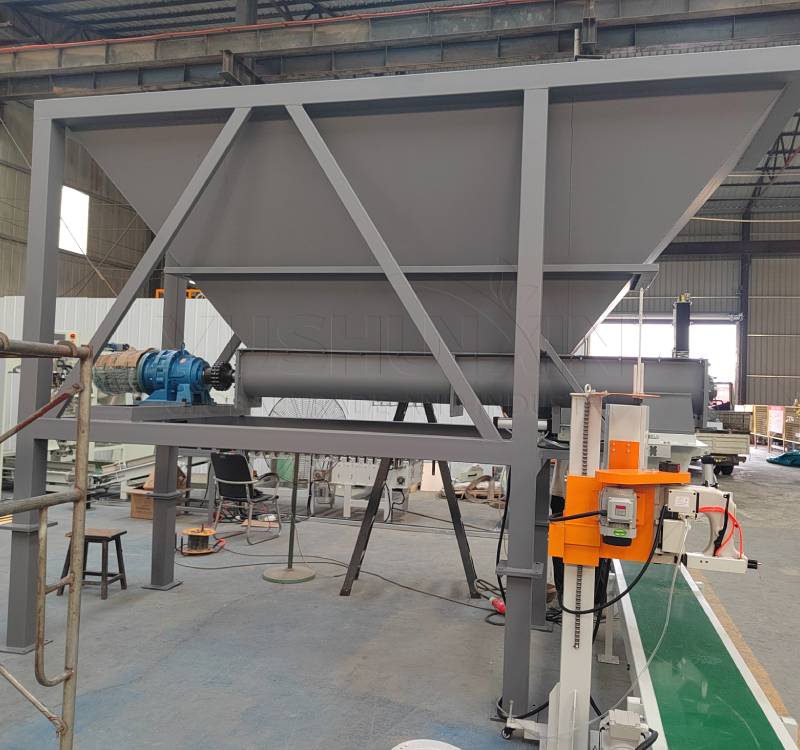
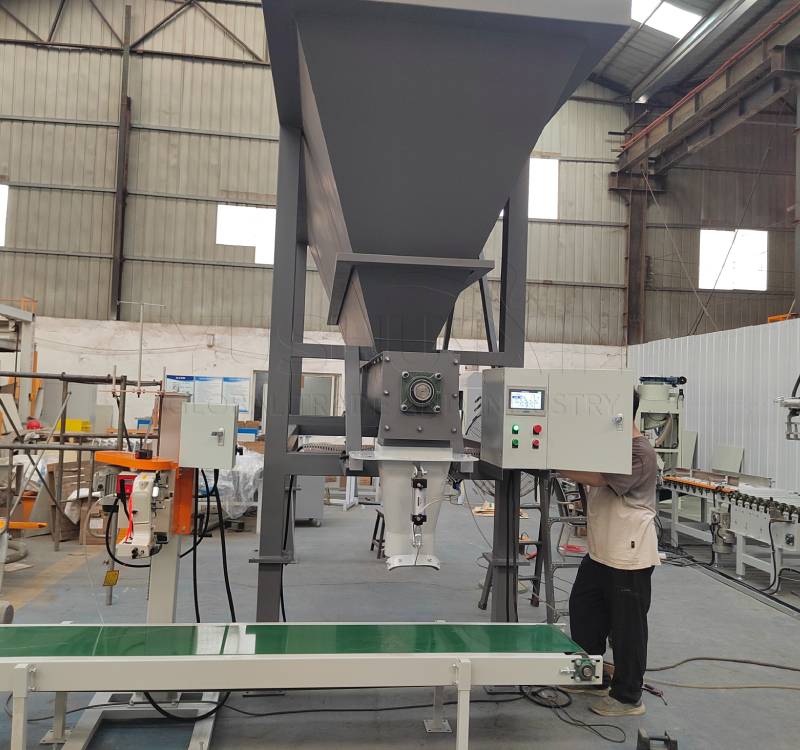

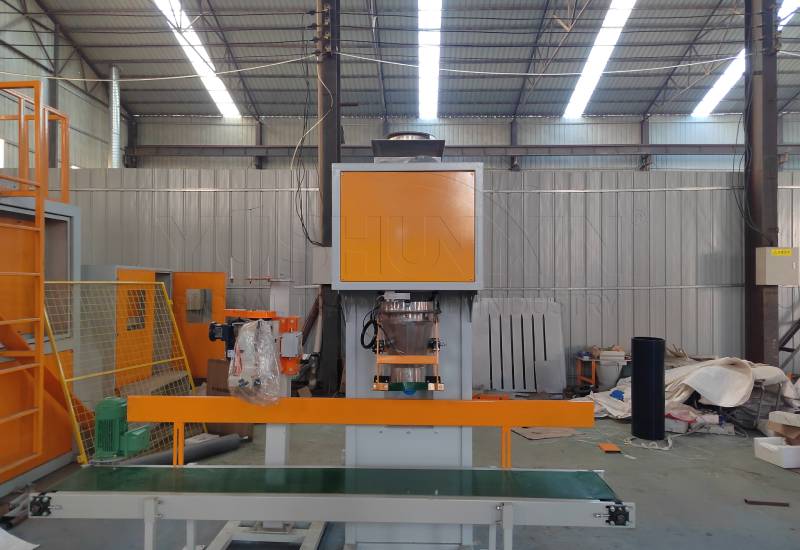
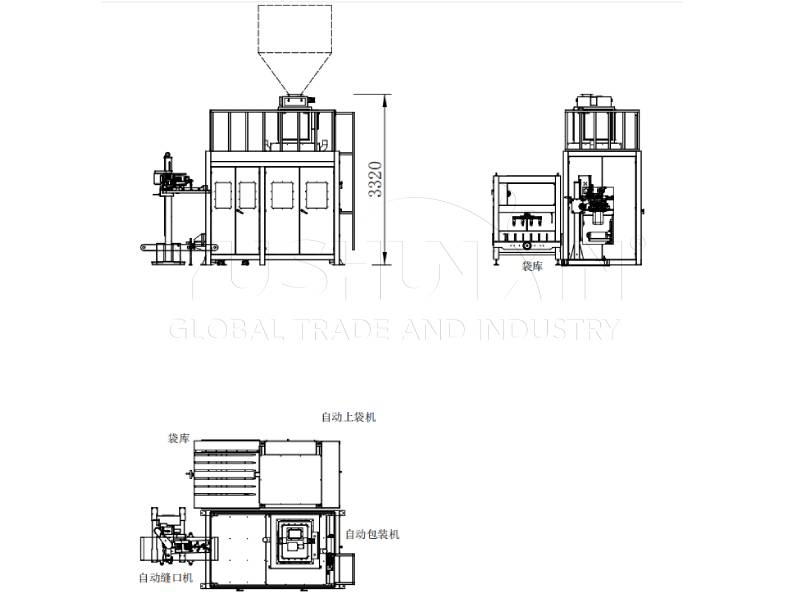
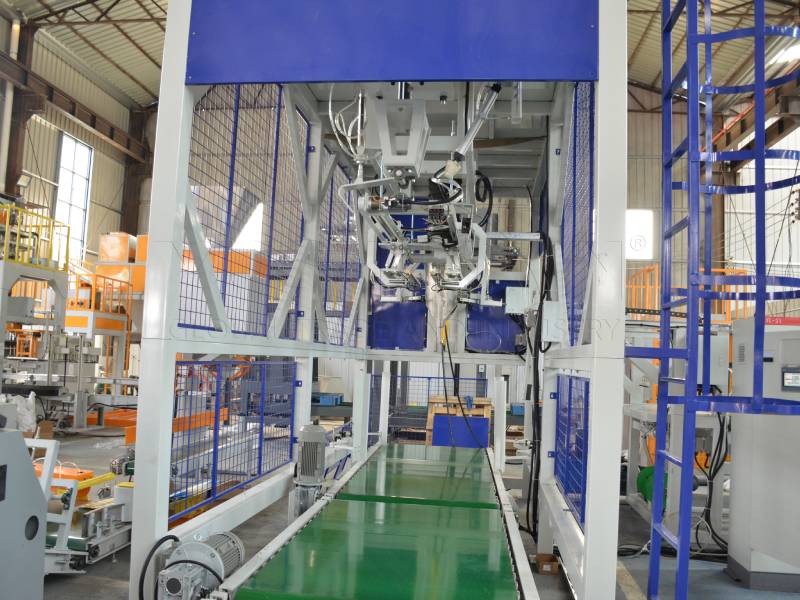
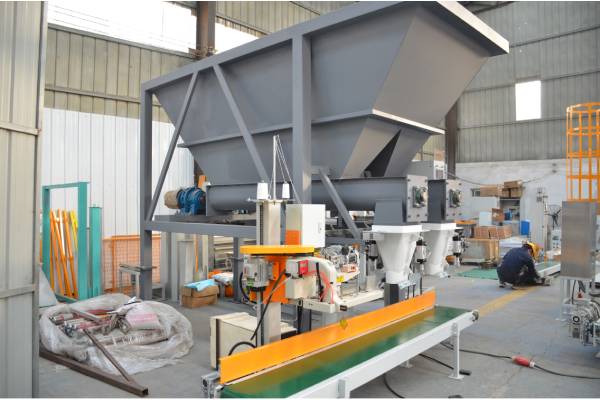
When manual bag placement limits production, automatic feeding removes that repeated task. Our YTZB-300 reference configuration handles at least 300 suitable 25 kg woven bags per hour. The machine takes bags from storage, opens them, and positions them at the filling outlet. After filling, the line can convey bags toward automatic sealing. For compatible bags, our reference sealing equipment handles approximately 10–12 bags per minute.

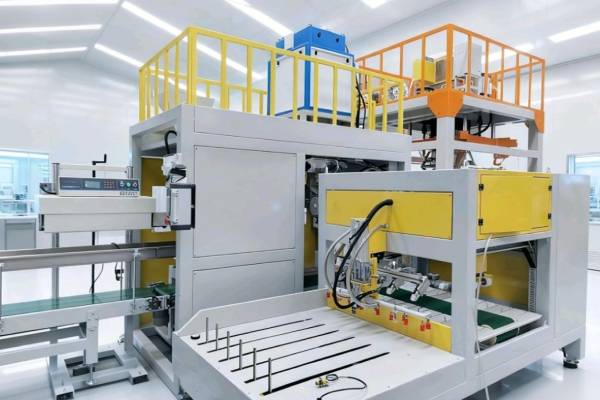

Can You Use Your Existing Bags and Sealing Methods?
You may already have packaging bags that your customers prefer. A new bagging machine should work with those bags wherever practical. Our configurations can handle suitable woven polypropylene bags, PE bags, paper bags, and valve bags.
Bag Compatibility and Sealing
Woven bags commonly use sewing after filling. Meanwhile, suitable PE bags can use heat sealing. Paper bags may require sewing, adhesive closing, or another method according to their construction. For valve bags, the filling machine needs a suitable nozzle and bag-clamping arrangement. We can also review bag thickness, opening dimensions, liners, and filling weight before selecting automatic bag-feeding equipment.
PE Bag Heat Sealing for Cold Patch Asphalt

For PE packaging, heat sealing offers an alternative to sewing. However, sealing temperature and pressure must suit your bag material. Our mobile cold patch asphalt configuration uses double heat-sealing bars with cooling to handle suitable thicker PE bags. This avoids needle holes and gives you another closing option for asphalt packaging.
How Can Automatic Bagging Reduce Manual Work?
A semi-automatic bagging machine still needs an operator to place empty bags. However, it handles weighing, filling, bag release, and conveying. For higher automation, the machine can also pick up, open, and position each empty bag. That removes repeated bag placement from the normal filling cycle.
Automatic Bag Feeding and Alarms
Our automatic packaging systems can include empty-bag storage, bag pickup, opening devices, and missing-bag alarms. For suitable configurations, the control system also supports automatic and manual operating modes. Operators can therefore make adjustments without relying on the complete automatic sequence for every intervention.
Automatic Palletizing and Complete Line Integration
Besides automatic bag feeding, you can add sealing and product coding to reduce manual work after filling. After filling and sealing, you can add an automatic palletizing machine to stack finished bags and reduce manual lifting. For greater automation, our automatic bagging and palletizing line connects bag feeding, weighing, sealing, conveying, and robotic stacking into one system.
Do You Need Small Bags or 500–2000 kg Bulk Bags?
Small bags suit products that distributors or end users need in manageable quantities. However, bulk buyers may prefer larger bags for storage and handling. Our available big bag filling machines cover several configurations, including 500–1500 kg and specialized 500–2000 kg systems.
Can You Install the Bagging Machine in Your Existing Factory?
You may only need a filling machine and sealing conveyor. Alternatively, the project may require a storage hopper, automatic bag feeder, dust collection, and additional conveying.
YUSHUNXIN can review your current storage hopper, material discharge, floor space, and packaging route. For an existing production line, we can check which equipment remains suitable before planning the upgrade. The electrical and pneumatic arrangements also matter. For example, documented automatic packaging configurations use 380V/50Hz three-phase power and industrial compressed air. However, your final quotation should specify the requirements of your selected equipment.
We can also discuss PLC interfaces and control integration where your project needs them. For a larger production setup, our 50 TPH BB fertilizer plant shows how automatic packaging and robotic palletizing can support one complete fertilizer project.
Cold patch asphalt needs more than ordinary gravity filling. Our fixed configurations use a large material hopper and U-shaped screw feeding. You can choose single-head or double-head filling according to the required output. For site-based packaging, a mobile configuration combines the weighing machine, hopper, and PE heat sealer on a trailer platform. It handles suitable cold patch asphalt mixtures rather than liquid asphalt. The mobile design supports short transfers between suitable work sites. It also offers heat sealing for compatible 10–50 kg PE bags.
For dusty products, we can provide suitable enclosed filling arrangements and dust extraction connections. Before shipment, we can discuss material trials, weighing checks, and equipment testing according to your agreed project scope. Our team also supports installation guidance, maintenance planning, and suitable spare-parts arrangements.
What Affects the Cost of an Industrial Bagging Machine?
The price of an industrial bagging machine depends on your material, packaging capacity, and automation requirements. YUSHUNXIN offers different configurations, from single-head filling machines to fully automatic packaging systems.
Industrial Bagging Machine Reference Prices
| Bagging Equipment | Reference Price (USD) | Main Configuration |
|---|---|---|
| Single-Head Cold Patch Asphalt Bagging Machine | Around $5,500–6,000 | Storage hopper, screw feeding, bagging, sewing, conveyor |
| Double-Head Cold Patch Asphalt Bagging Machine | Around $8,500–9,000 | Higher-output filling, storage hopper, sewing, conveyor |
| DCS-50AM Automatic Bagging Machine | Around $50,000–55,000 | Automatic bagging main unit; auxiliary equipment quoted separately |
| Mobile Single-Head Asphalt Bagging Equipment | Around $12,500–13,500 | Filling unit, PE heat sealer, trailer platform |
| Mobile Double-Head Asphalt Bagging Equipment | Around $15,000–16,500 | Double-head filling unit, PE heat sealer, trailer platform |
Choose the Equipment Your Production Needs
For cold patch asphalt, a single-head machine handles approximately 240 bags/hour. If you need higher output, a double-head configuration offers greater filling capacity. You can also choose between fixed equipment and mobile trailer-mounted packaging. The mobile option adds PE heat sealing and allows short transfers between suitable work sites. For ordinary powders and granules, your budget depends on weighing capacity, feeding equipment, and automatic bag handling. Free-flowing granules may use gravity feeding. Meanwhile, fine powders may need screw feeding, enclosed filling, or dust extraction. You can also retain manual bag placement when it meets your output. Automatic bag feeding becomes more useful when manual handling limits the filling cycle.
Reduce Your Complete Packaging Investment
A complete packaging project may include weighing, filling, sealing, conveyors, dust collection, and electrical controls. However, you don’t need to replace every existing machine. If your current conveyors or sealing equipment remain compatible, our engineers can integrate them into the new system. For bulk bag projects, YUSHUNXIN also offers 500–1500 kg filling equipment and fully automatic roll-fed big bag lines. We provide quotations according to your required capacity and configuration.
Besides individual machines, our company supports equipment selection, layout planning, sample testing, installation guidance, and after-sales service. You can choose a compact bagging machine or a complete industrial packaging system according to your production needs. Please feel free to contact YUSHUNXIN for a suitable configuration and project quotation.


