
20–30 T/H Bulk Blending Fertilizer Plant
When your fertilizer orders grow, you may need a production line that can keep up with larger quantities and different product demands. A 20–30 T/H Bulk Blending Fertilizer Plant is designed for fertilizer companies and distributors that already have market demand and want to expand their own NPK fertilizer production.
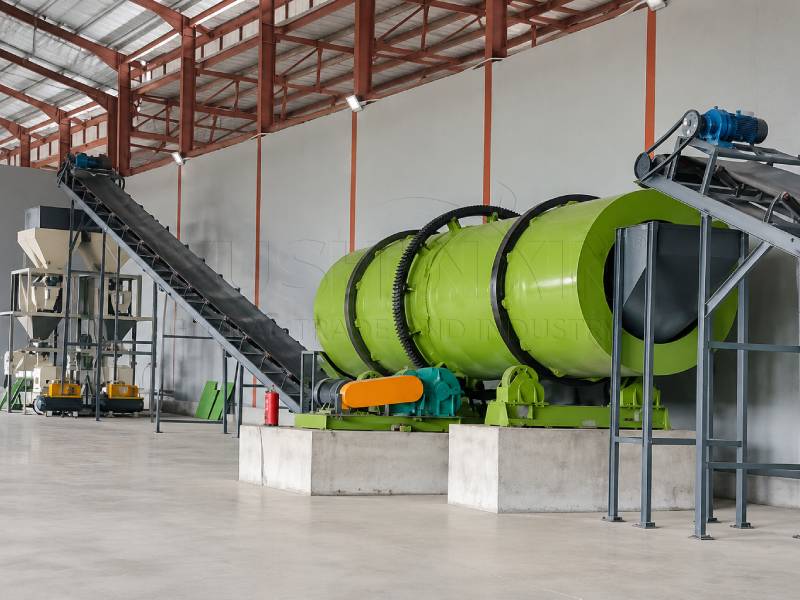
How Do You Maintain Stable NPK Production with a 20–30 T/H BB Fertilizer Plant?
When your fertilizer business reaches 20–30 T/H, the challenge is not only making more fertilizer. You also need to keep different production sections working together smoothly every day. If one section cannot keep up with the others, it may affect the whole production process.
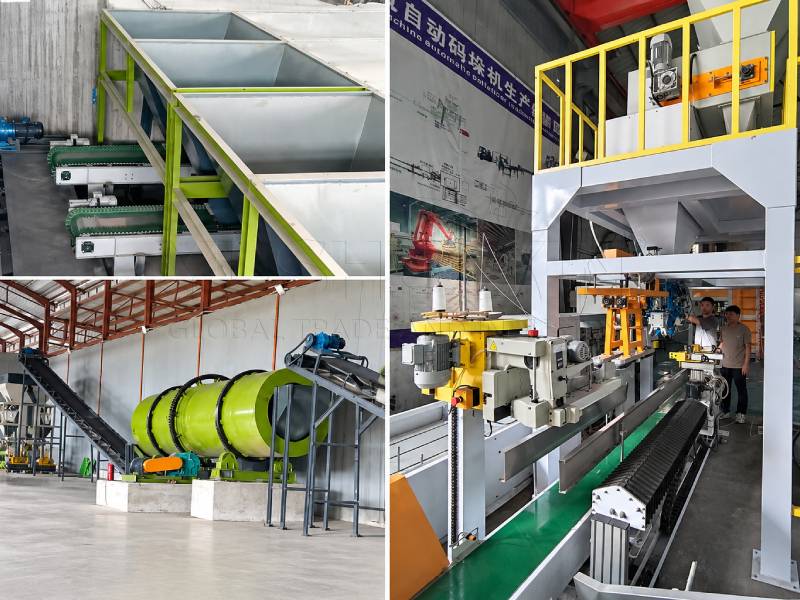
How Do You Manage Multiple NPK Formulas in Commercial BB Fertilizer Production?
When you supply fertilizers to different customers, you may need to produce various NPK formulas for different products, markets, and seasonal demands. As your product range increases, managing different raw materials and formula ratios becomes more complicated. You need a production system that can keep different fertilizer components separated and adjust the material ratio according to each formula.
How Do You Store Different Fertilizer Components for Multiple NPK Formulas?
Different NPK formulas require different combinations of raw materials. Keeping each fertilizer component stored separately makes formula management easier during production.
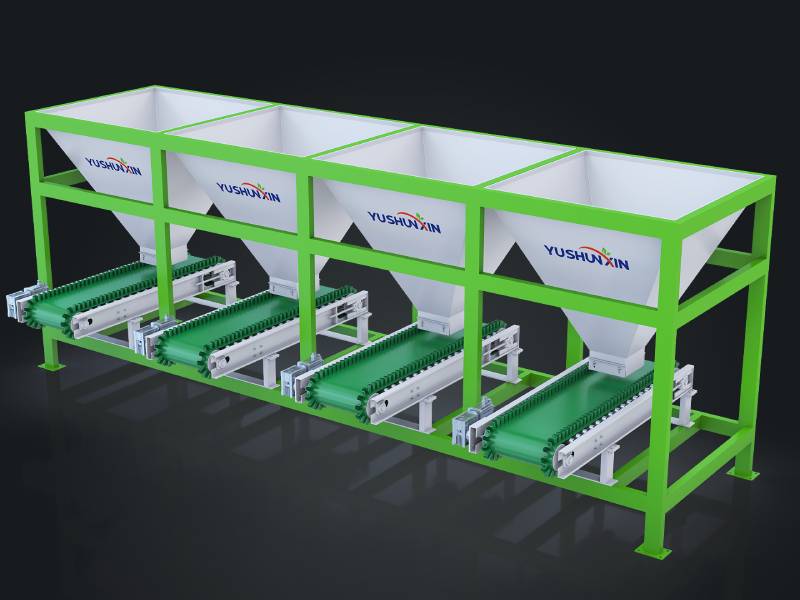
How Does a Dynamic Batching System Control NPK Formula Ratios?
After different fertilizer components are stored separately, the next challenge is controlling the correct material ratio for each formula.
This design allows you to change between different fertilizer formulas more easily and produce multiple NPK products with the same blending system.
How Do You Maintain Uniform NPK Blending Quality in a Commercial BB Fertilizer Plant?
How Do You Prevent Uneven Mixing of Different Fertilizer Granules?
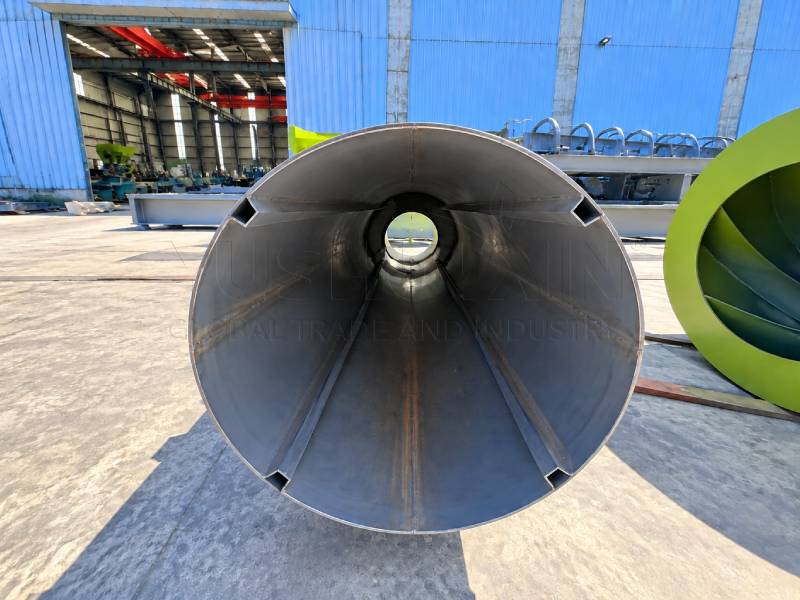
When producing commercial BB fertilizers, different raw materials such as urea, DAP, MAP, and MOP may have differences in particle size and density. If these differences are not properly considered during blending, fertilizer components may not be evenly distributed in the final product.
How Do You Protect Fertilizer Granules During the Blending Process?
BB fertilizer production uses finished fertilizer granules as raw materials, so protecting the original particle structure is important during mixing.
How Do You Reduce Manual Work with Automatic Fertilizer Packaging and Palletizing Systems?
How Does an Automatic Fertilizer Packaging System Reduce Repetitive Manual Work?
When fertilizer production increases, manual bagging operations can become difficult to manage. Repetitive work such as bag handling, weighing, filling, and sealing requires more labor and can affect the smooth operation of the packaging section.
The packaging system supports 10–50 kg fertilizer bags and can reach 300 bags per hour or more. The PLC control system also includes weighing correction, fault alarms, and operation monitoring functions.
How Does Column Palletizing Improve Finished Fertilizer Handling?
After packaging, you still need to move and stack finished fertilizer bags for storage and transportation. When production increases, relying on manual palletizing can add more labor requirements and slow down finished product handling.
The palletizing system supports fertilizer bags from 10–200 kg and can achieve a palletizing speed of 400–450 bags per hour.
How Do You Plan a Space-Efficient 20–30 T/H BB Fertilizer Plant Layout?
When you plan a 20–30 T/H BB Fertilizer Plant, one of the main concerns is how to fit all equipment into your available workshop space while keeping the production process running smoothly.
YUSHUNXIN arranges the production line according to the actual workflow. Raw material storage, batching, blending, packaging, and palletizing sections are placed in a suitable order to make material transfer easier and avoid unnecessary movement.
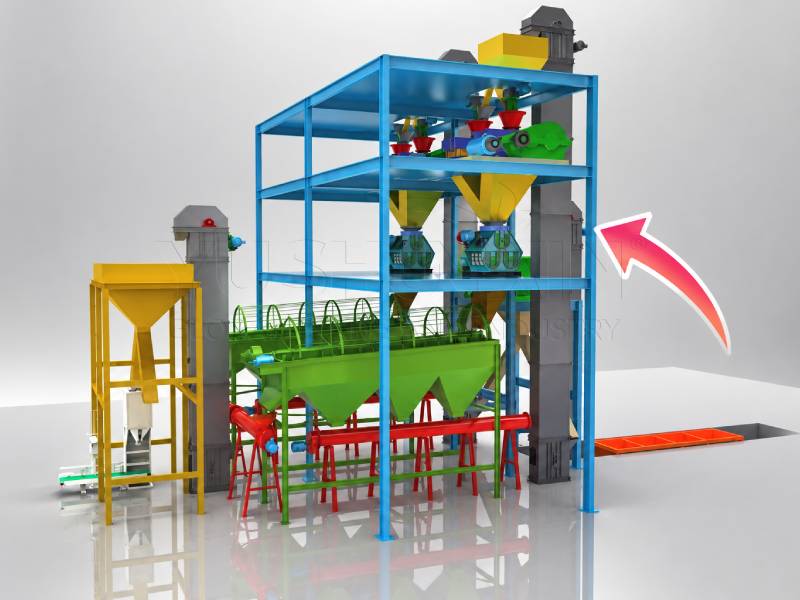
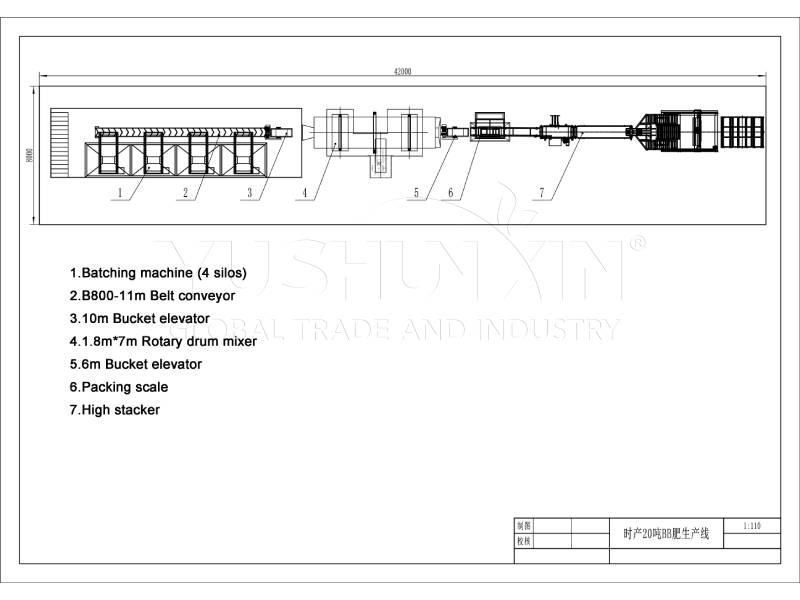
What Equipment Is Included in a 20–30 T/H BB Fertilizer Plant?
| Equipment | Quantity | Main Configuration |
|---|---|---|
| Storage Silos | Customized | Designed according to raw material categories and fertilizer formulas |
| Dynamic Batching System | 1 set | PLC-controlled batching system |
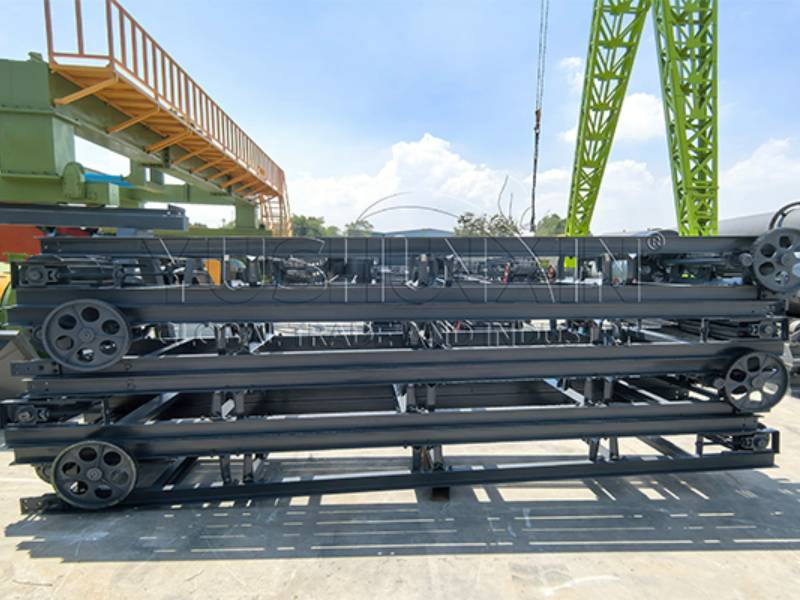
| Material Conveying System | Customized | Bucket elevator or belt conveyor according to factory layout |
| Rotary Drum BB Fertilizer Mixer | 1 set | SXBJ-1240 (20 T/H) / SXBJ-1560 (30–40 T/H) |
| Automatic Fertilizer Packaging System | 1 set | Automatic bag storage, bag loading, filling, and sealing |
| Column Palletizing System | 1 set | EIFOST four-axis column palletizer |
The final investment depends on your production capacity, fertilizer formulas, automation requirements, and factory conditions. You can check our Bulk Blending Fertilizer Plant Cost Guide for more details.
How Can You Prepare Your 20–30 T/H BB Fertilizer Plant for Future Expansion?
When your orders continue to grow, your current production capacity may not be enough to meet new requirements. You may need to upgrade your fertilizer plant with larger equipment or higher automation levels.
01
10 TPH BB Plant
Start NPK production with a practical blending solution.
02
20–30 TPH BB Plant
Increase output for regional fertilizer supply.
03
50 TPH BB Plant
Support commercial production with higher automation.
04
100 TPH BB Plant
Build large-scale fertilizer production capacity.
Get Your Fertilizer Project Proposal
Share your raw materials, production capacity and project requirements. Our engineering team will provide a suitable fertilizer production solution.


