

Both NPK granulation plants and BB blend fertilizer plants can create successful business opportunities in Europe. However, they serve different markets and follow different business strategies. An NPK granulation plant produces new fertilizer granules through chemical or physical granulation processes. In contrast, a BB blending plant combines existing fertilizer granules into customized formulas. Therefore, the right choice depends on your raw materials, investment budget, production capacity, target customers, and local fertilizer demand. YUSHUNXIN can help you identify which investment better matches your business goals.
What Is the Difference Between an NPK Granulation Plant and a BB Blend Fertilizer Plant?

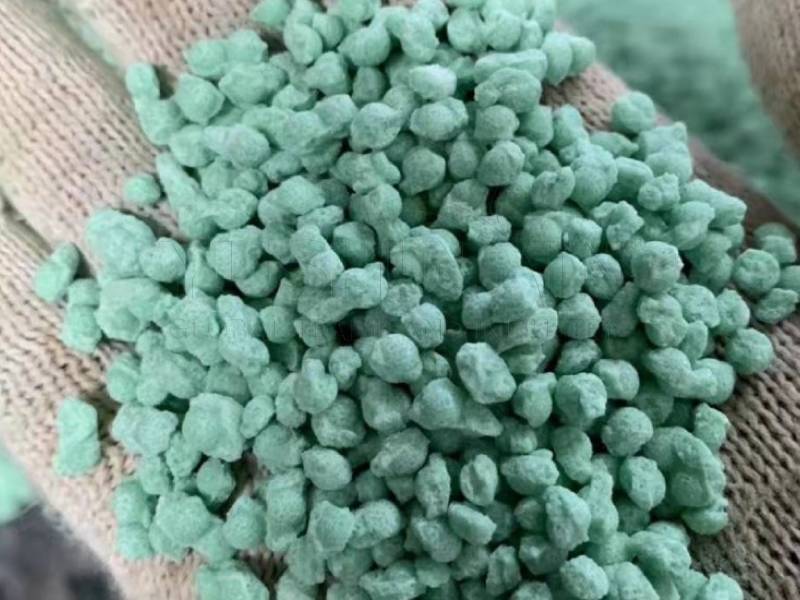
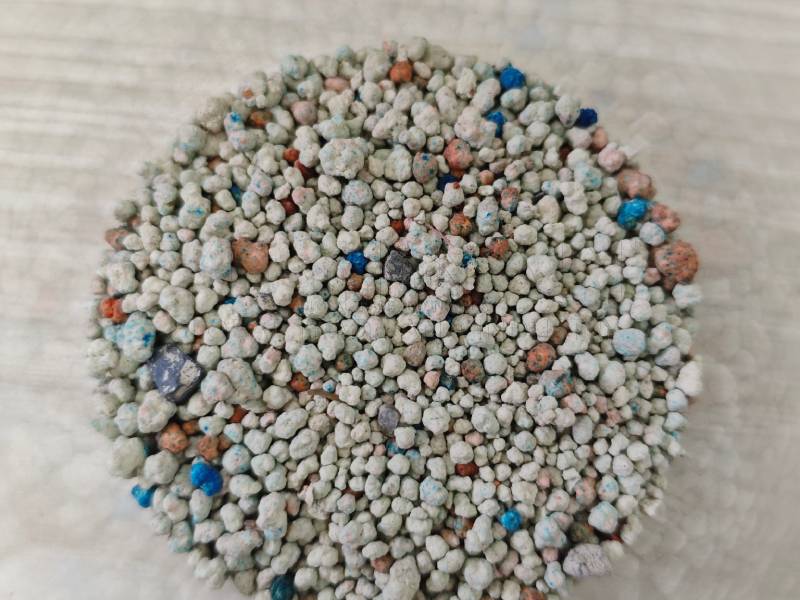

Which Investment Requires a Lower Initial Budget?
If your priority is reducing upfront investment, a BB blend plant provides a clear advantage. It requires fewer machines, has a shorter production process, and allows faster installation. However, an NPK granulation plant needs a larger initial budget. At the same time, it provides greater product flexibility and higher added value. Therefore, investment cost should only be one part of your overall business strategy.


Which Fertilizer Plant Offers Greater Product Flexibility?
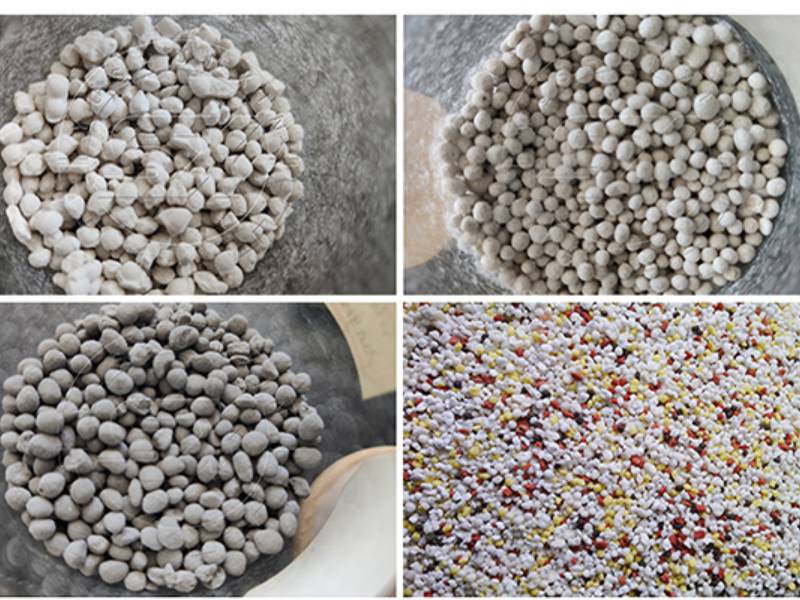

NPK granulation plants provide strong product diversity. You can produce organic-mineral fertilizers, standard NPK fertilizers, and complex compound fertilizers directly from raw materials. Meanwhile, BB blending plants provide excellent formula flexibility. You can quickly adjust nutrient ratios according to customer requirements. Therefore, BB blending works especially well for localized fertilizer supply chains that need fast response and customized products.
Which Production Process Is More Suitable for the European Market?
Which Fertilizer Plant Has Lower Operating Costs?


BB blend plants usually achieve lower operating costs because they consume less energy and require fewer processing steps. In comparison, granulation plants involve more equipment, which increases energy consumption and maintenance requirements. However, operating costs include more than energy expenses. Labor, maintenance, and raw material purchasing also affect profitability. Therefore, an NPK granulation plant can still create strong returns because higher-value products may offset the additional operating costs.
Which Fertilizer Plant Is Easier to Expand in the Future?
Both systems support modular expansion. For a BB plant, you can expand capacity by adding more storage silos, additional mixers, or upgraded packaging systems. For an NPK granulation plant, you can increase output by adding another granulator, upgrading drying and cooling systems, or integrating advanced automation. Therefore, both solutions allow future growth when you plan the factory layout properly.


How Can Both Plants Meet European Environmental Requirements?
European environmental regulations require fertilizer manufacturers to control dust, emissions, and production impacts.
Get Your Fertilizer Project Proposal
Share your raw materials, production capacity and project requirements. Our engineering team will provide a suitable fertilizer production solution.


