

В мае 19, 2026, the European Commission adopted its Fertiliser Action Plan, with new attention on domestic production, organic fertilizers, and nutrient recovery from organic waste. For your fertilizer business, this creates an opportunity to explore local raw materials and develop products for nearby agricultural markets. If you already operate a composting site, livestock farm, or biogas plant, you may have a starting point for an organic fertilizer production line.
Why Is Europe Encouraging More Organic Fertilizer Production?
Europe relies on imported fertilizers and raw materials, leaving agricultural businesses exposed to changes in supply and prices.
The EU’s 2026 plan aims to strengthen local fertilizer production. It also encourages the use of organic and bio-based alternatives, including nutrients recovered from digestate.
Так, for your business, the first question is practical: What materials can you process locally?
Composted animal manure, agricultural residues, and suitable digestate solids can provide feedstock for organic fertilizer production.
Однако, collecting raw materials is only the beginning. You also need a production process that turns them into fertilizer your customers can handle, магазин, and apply.


Can You Turn Compostinto Granular Fertilizer?


If you already produce compost, you may be able to add granulation equipment without building another fermentation facility. We can connect crushing, смешивание, грануляция, сушка, охлаждение, and packaging equipment to your existing material preparation area.
Например, a composting business can use finished compost as the main feedstock. После измельчения и смешивания, the prepared material enters the granulation section. Полный линия по производству органических удобрений then prepares the granules for packaging and sales.
What About Digestate from Biogas Plants?
If you operate a biogas plant or livestock farm, you can also recover useful organic material from manure slurry and digestate.
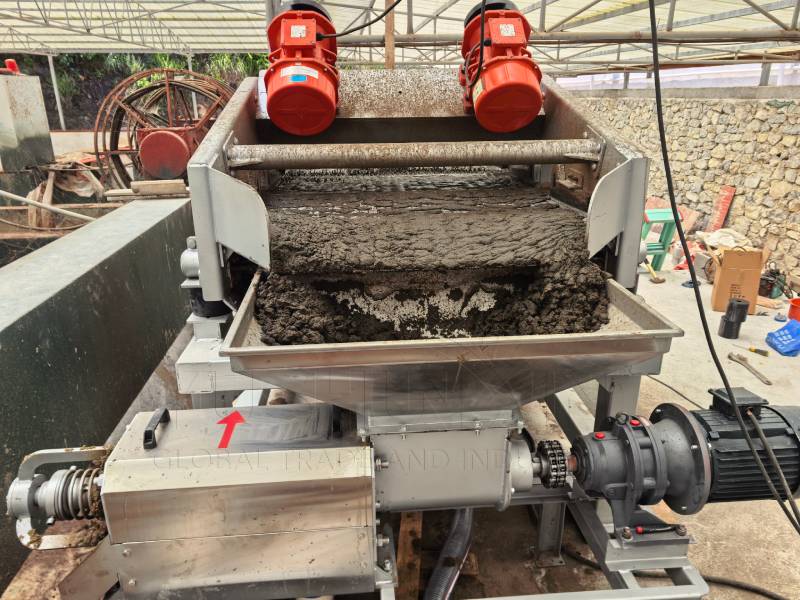
Наш система очистки сточных вод для скота separates solid manure from wastewater before further processing. The solid-liquid separator can reduce the moisture of separated manure solids to around 30–40%, making them easier to collect and prepare for composting.
Тем временем, the liquid continues through fine separation and wastewater treatment. После компостирования, the recovered solids can enter crushing, смешивание, грануляция, and packaging to produce commercial organic fertilizer.

What Production Capacity Should You Consider?
Start with the amount of prepared material you can supply each day and the fertilizer you expect to sell.

Например, а 3 TPH line can process up to 24 tonnes during an eight-hour shift. А 5 TPH line offers up to 40 tonnes over the same operating period.
If you have a steady supply of finished compost, you can plan around regular granulation shifts. If your business relies on seasonal agricultural waste, you may prefer a smaller line with suitable raw-material storage. We can help you select a capacity that matches your available feedstock and factory space.
How Can You Reduce Organic Fertilizer Production Costs?
Reduce Energy Consumption During Drying
Drying is one of the main energy-consuming stages in wet granulation. If your compost already has a suitable moisture level, you can reduce unnecessary water addition during granulation and limit the moisture that needs to be removed afterward.
We can also match the dryer capacity and heat supply to your actual production requirements, helping you avoid unnecessary energy consumption.

Reduce Manual Work with Automation
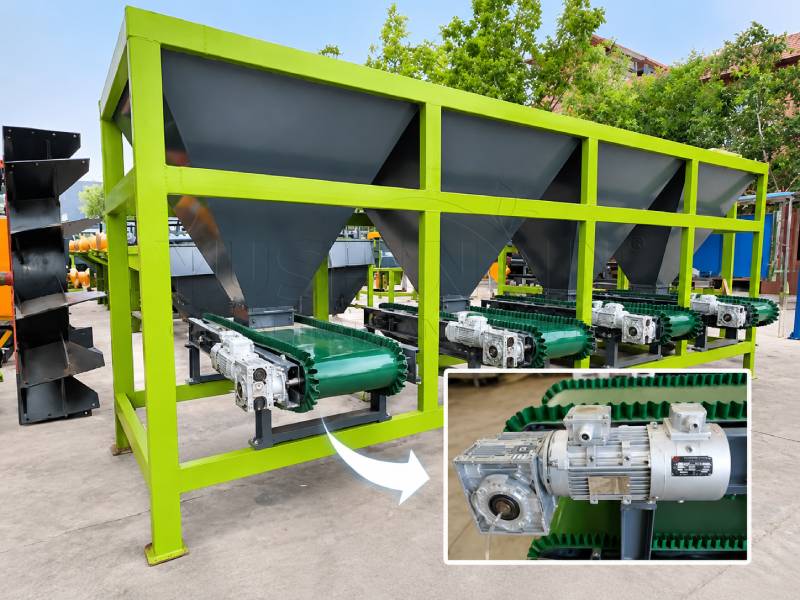
For continuous production, automatic batching and feeding systems can replace repeated manual weighing and material loading.
Our PLC-controlled batching system adjusts the feeding rate of each material according to your fertilizer formula. Тем временем, automatic weighing, bag conveying, and palletizing equipment can reduce manual handling at the packaging end.
Make Better Use of Your Raw Materials
You can also reduce material losses by collecting dust and recovering suitable fertilizer material from processing and conveying.
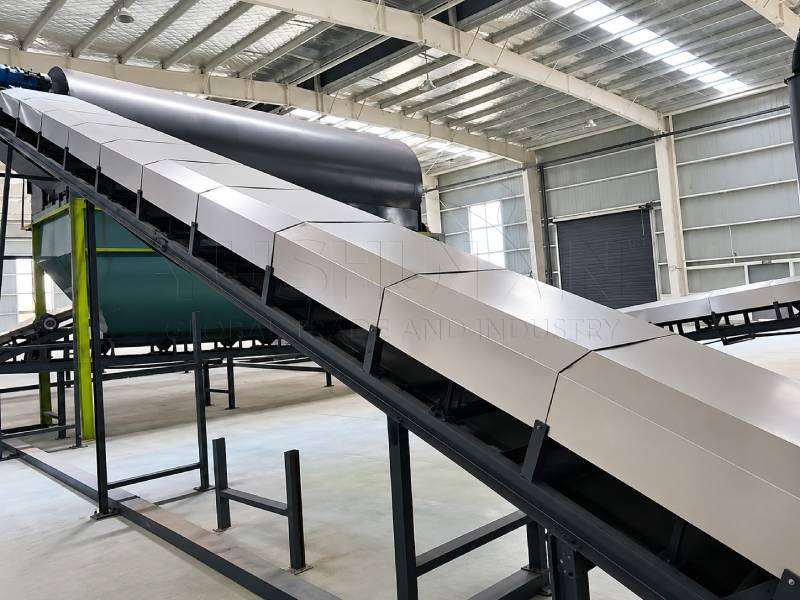
We can add covers to conveyors and connect dust collection equipment at transfer points. This helps keep more material within the production process and reduces workshop cleaning.
What Should You Do Before Starting a New Project?
The EU’s 2026 action plan signals greater support for domestic and circular fertilizer production.
Your first step is to confirm the available feedstock and the type of fertilizer you want to sell. Затем, we can help you plan the processing stages, equipment capacity, планировка завода, и требования к упаковке.
If you already operate a composting site, YUSHUNXIN can help you add crushing, грануляция, сушка, and packaging equipment to your existing process. For a new fertilizer plant, we can design the complete production line based on your raw materials, целевая мощность, and available factory space.


